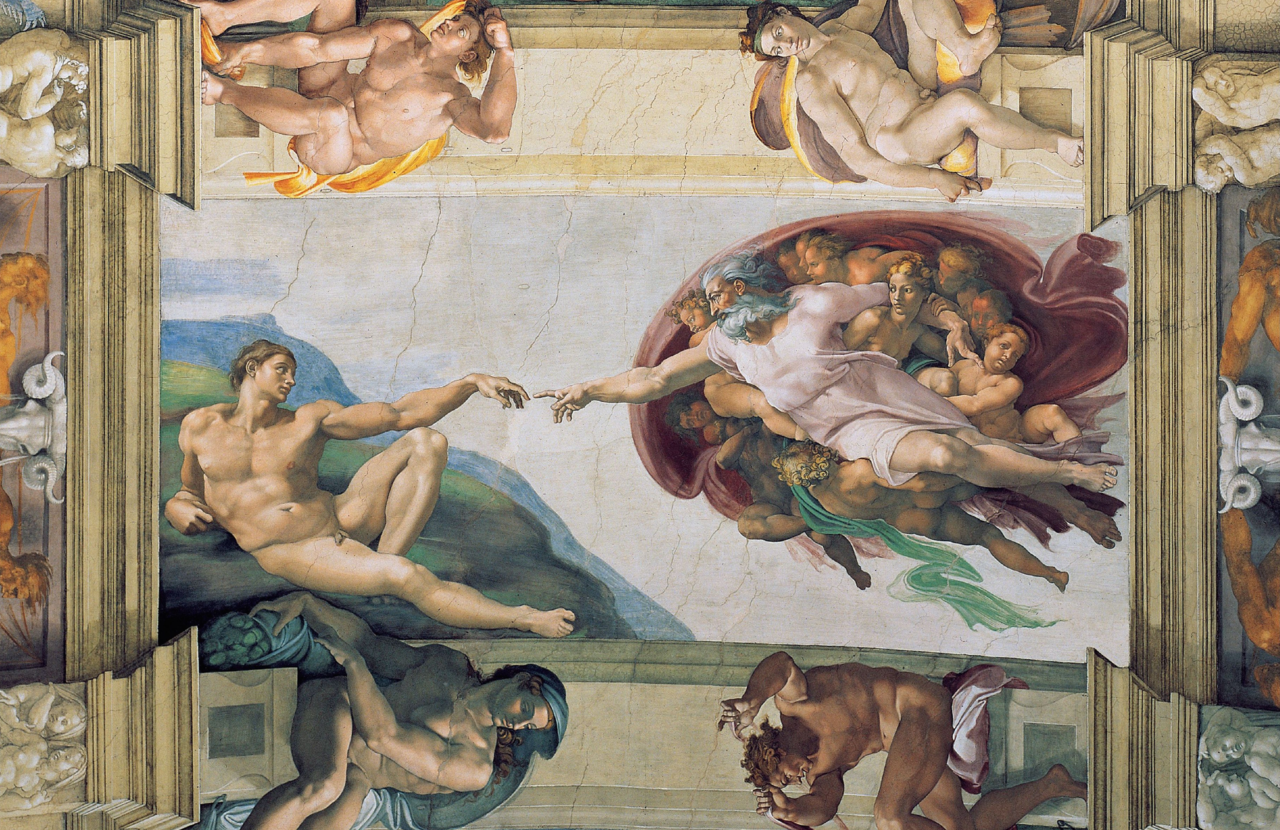
We are constantly seeing whether it is looking at things as a whole or looking at a tiny detail. From the day we were born, we have been able to see before being able to speak. However, as we have gotten older we have been able to apply the use of language and knowledge in order to help complete what we see. John Berger, author of “Ways Of Seeing” explains how knowledge never seems to fit what we see. For example, we see a sunset, and “we know that the Earth is turning away from it” (Berger, page 7). I understand what Berger is trying to say with how knowledge does not fit the picture, however, knowledge is supposed to provide deeper insight on what exactly is happening. Knowledge helps explain things that we cannot see like the Earth turning away from the sun because we are on the Earth. What we do see is the result or at least a part of it, which in this case is the sunset. Therefore, at times knowledge is not supposed to fit the illustration, instead help us further understand the illustration.

John Berger also goes on to explain the issue with replicating paintings since every time it is replicated it loses its value. “The camera isolated momentary appearances and in doing so destroyed that idea that images were timeless” (Berger, page 18). I do not completely agree with this because images are still timeless since it captured a particular moment. Many years from now people can go and figure out what exactly was happening in that picture. However, a part of me also kind of understands what Berger is saying since people will never know the entire story of that photo since they were not there. Being in that moment and being able to see everything rather than a specific part changes the moment and the perspective.
Perspective is something that I personally believe plays one of the biggest roles in seeing. Uncovering the meaning of a piece of art or a photograph depends on one’s experiences, prior knowledge, and context. For example, if someone is going through a difficult time, and they see a painting that is supposed to be happy, that person will mentally adjust that painting so that it fits their emotions. In other words, they will see the happy painting as sad since they are sad. This is what Berger fears, “As a result its meaning changes” (Berger, page 19). His argument was that paintings were replicated so much that it is no longer unique, and that the meaning has been drained. I do not agree with this because I believe that the replication has helped to do the opposite. Thanks to cameras the painting was able to grow and be shown worldwide, therefore, making it even more famous. When someone sees a picture of a popular painting they will be motivated to go. For example, I have always loved the painting of the Mona Lisa by Leonardo Da Vinci, and I actually saw it in The Louvre. Seeing the original painting is breathtaking even though I had already seen numerous amounts of replicates. The settings where the original painting also plays a big role in it as well. “The uniqueness of every painting was once part of the uniqueness of the uniqueness of the place where it resided” (Berger, 19). I completely agree with this because in a way it is almost as if the painting is a part of the architecture. Not only that, but I believe that letting others have their own perspective or own personal meaning on the artwork just makes the painting even more unique. Therefore, everyone will have their personal opinion on it rather than all following the original meaning which makes it feel personal to the viewer. No matter how replicated an image is the original will always be unique.
Everyone views things differently due to their difference in perspective. However, I think that we can all agree on the idea that seeing is a universal language. Heavy emotions are beautifully placed in paintings, and it is up to that viewer to uncover that emotion. At the same time, the viewer might put their own emotions into the meaning of that certain painting. We can also view only certain parts of the painting and find a whole new meaning rather than viewing it as a whole. There is an enormous amount of feelings and meanings that a single painting conveys. However, no matter what context we might add to paintings it will never take away what we exactly see. “It is seeing which establishes our place in the surrounding world; we explain that world with words, but words can never undo the fact that we are surrounded by it” (Berger, page 7). Words will never reach the power of seeing. Art illustrates feelings that we are not able to say, even if it is only a replicate.
 Words that come to life